Why Homeowners Should Look Beyond the Lowest Price: The Truth About the $1,800 Water Heater Replacement

Why Extremely Cheap Water Heater Installations Often End Up Costing Homeowners More Later
Homeowners searching online for water heater replacement pricing have probably seen advertisements claiming complete water heater installations for unbelievably low prices — sometimes as low as $1,800 installed.
At first glance, that may sound appealing. But homeowners should understand an important reality:
In many cases, those ultra-low advertised prices leave out critical components, code-required upgrades, permit costs, or installation corrections that are necessary for a safe and compliant installation.
In some situations, the advertised price may only apply to a very basic “swap” under ideal conditions that rarely exist in real-world homes.
What Is Often Missing From Extremely Cheap Water Heater Installations?
1. Permit Costs
In California, water heater replacements typically require permits and inspections.
Permits help ensure:
- proper venting
- earthquake strapping
- gas safety
- pressure protection
- combustion air requirements
- drain pan compliance
- temperature and pressure relief piping
- and other important safety items
Permit costs alone can range from:
- approximately $150–$500+
depending on the city and project scope.
If a company is advertising extremely low pricing, homeowners should ask:
- “Does that include permits?”
- “Will the installation actually be inspected?”
Learn more about professional water heater installation permitting and code compliance on our Water Heater Repairs and Installation page.
2. Expansion Tanks & Pressure Regulation
One of the most overlooked issues in modern plumbing systems is thermal expansion.
When water heats inside a water heater, it expands.
In homes with:
- pressure regulators
- check valves
- or closed plumbing systems
that expanding water needs somewhere to go.
That’s why expansion tanks are now required in many installations.
Without proper pressure regulation and thermal expansion protection, homeowners may experience:
- dripping relief valves
- fixture leaks
- premature water heater failure
- burst supply lines
- or excessive stress throughout the plumbing system
Many low-cost installations skip these evaluations entirely.
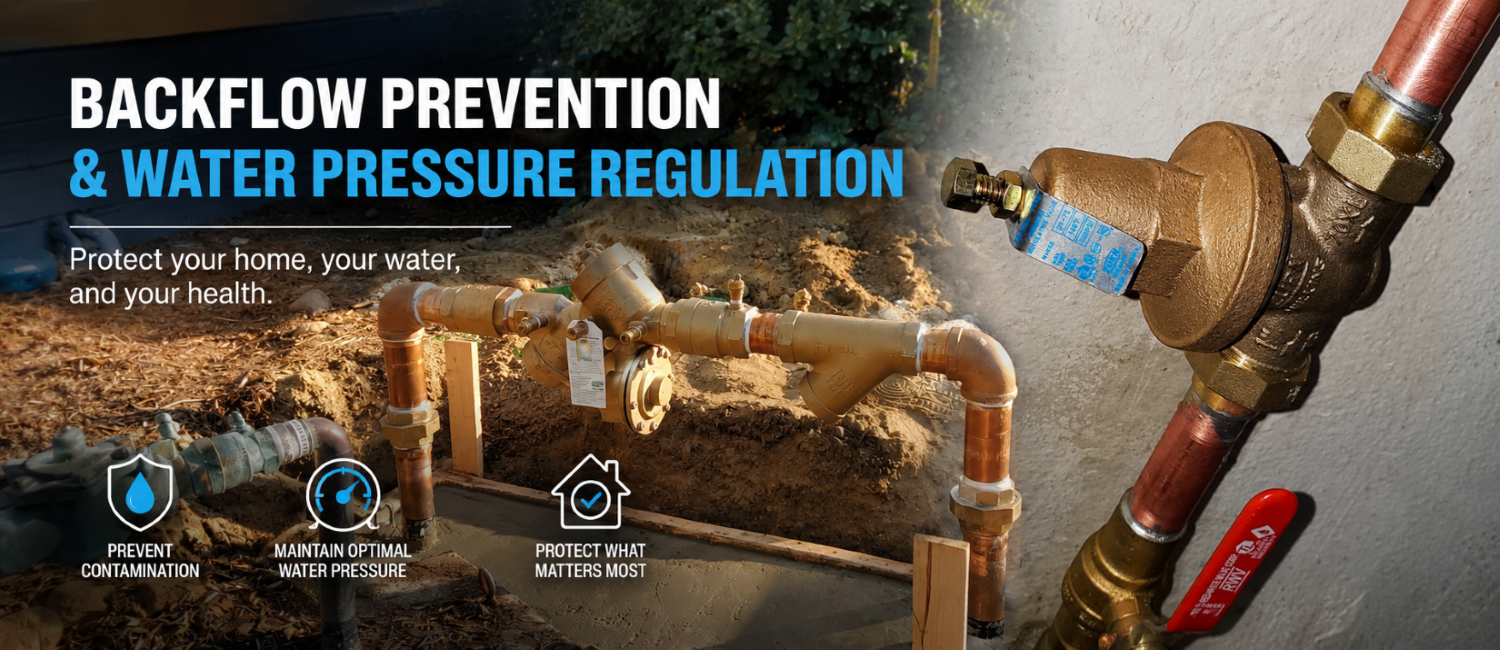
For more information about pressure regulation, thermal expansion, and protecting your plumbing system from excessive pressure, visit our Water Heater Repairs and Pressure Regulator Services pages.
3. Venting Corrections
Older water heater installations are often no longer compliant with current venting requirements.
Common issues include:
- improper vent sizing
- damaged vent connectors
- missing combustion air
- improper draft conditions
- or unsafe vent terminations
Correcting these issues properly takes:
- time
- materials
- and knowledge
Very low-priced installations may simply reconnect old venting without addressing safety or code concerns.
4. Gas Line & Shutoff Valve Issues
Many older installations also have:
- outdated gas shutoff valves
- missing sediment traps
- undersized gas piping
- or unsafe flex connections
Tankless water heater installations especially require proper gas sizing and combustion calculations.
Skipping these corrections may reduce installation cost upfront — but can create performance and safety problems later.
For additional information about proper gas sizing, combustion, air venting requirements, and annual maintenance, visit our Tankless Water Heater Service page.
5. Drain Pans & Drainage Corrections
Water heaters installed in garages, closets, attics, or interior locations often require:
- drain pans
- pan drains
- or drainage corrections
If these protections are missing and a water heater leaks later, the resulting water damage can become extremely expensive.
6. Insurance, Licensing & Compliance
Homeowners should also verify:
- contractor licensing
- workers’ compensation coverage
- general liability insurance
- permits
- and local business legitimacy
A properly licensed and insured contractor has real operating costs:
- insurance
- payroll
- bonding
- permits
- training
- compliance
- and warranty support
Those protections exist to help protect the homeowner.
To learn more about checking contractor licenses, insurance coverage, permits, and local legitimacy before hiring a plumbing company, read our guide on How to Verify a Contractor Before Hiring Them in California.
Cheap Installations Are Not Always Cheap
Many homeowners only discover problems later:
- failed inspections
- denied warranties
- leaking relief valves
- improperly sized systems
- missing expansion tanks
- unsafe venting
- or water damage claims
Unfortunately, correcting an improperly installed water heater later often costs far more than doing the installation properly the first time.
It’s also important to understand that a contractor being friendly, well-liked, or offering a great deal does not automatically mean the installation is being done correctly or fully up to code. Some companies and installers have been around for years and may have strong reputations personally, but that alone should not replace proper permitting, inspections, safety evaluations, and code-compliant workmanship.
Homeowners should focus less on personality or the lowest advertised number — and more on whether the installation is complete, safe, and professionally performed.
What Homeowners Should Ask Before Hiring a Water Heater Contractor
Before hiring anyone, homeowners should ask:
- Is the contractor licensed?
- Is the company insured?
- Are permits included?
- Will the installation be inspected?
- Does the estimate include expansion tank evaluation?
- Will pressure be checked?
- Will gas and venting systems be evaluated?
- Does the estimate include code-required corrections?
- Is the warranty being registered properly?
These questions matter far more than simply comparing the lowest advertised price online.
Final Thoughts
Water heaters are one of the most important mechanical systems in a home. They involve:
- gas
- combustion
- venting
- pressure
- drainage
- water quality
- and safety systems all working together
A properly installed water heater should be:
- safe
- code-compliant
- professionally installed
- and designed for long-term reliability
When comparing estimates, homeowners should make sure they are comparing complete installations — not just the lowest advertised number.
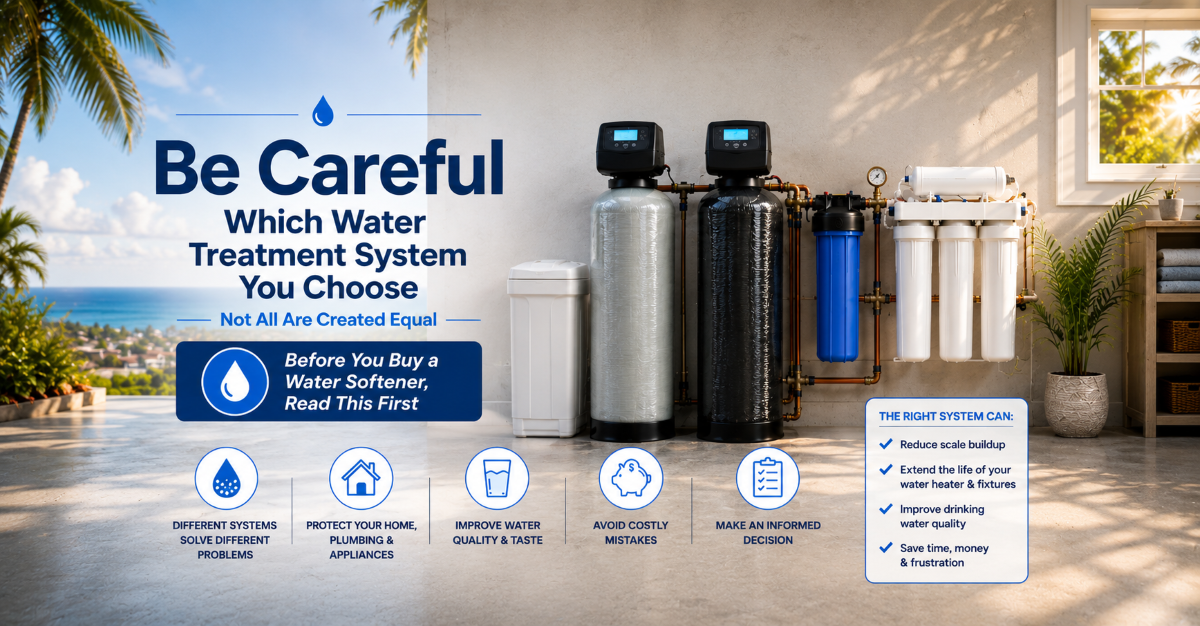
Homeowners installing a new water heater should also consider water quality and scale prevention to help protect the system from sediment buildup, mineral deposits and premature failure. Learn more about our Water Conditioning Services.
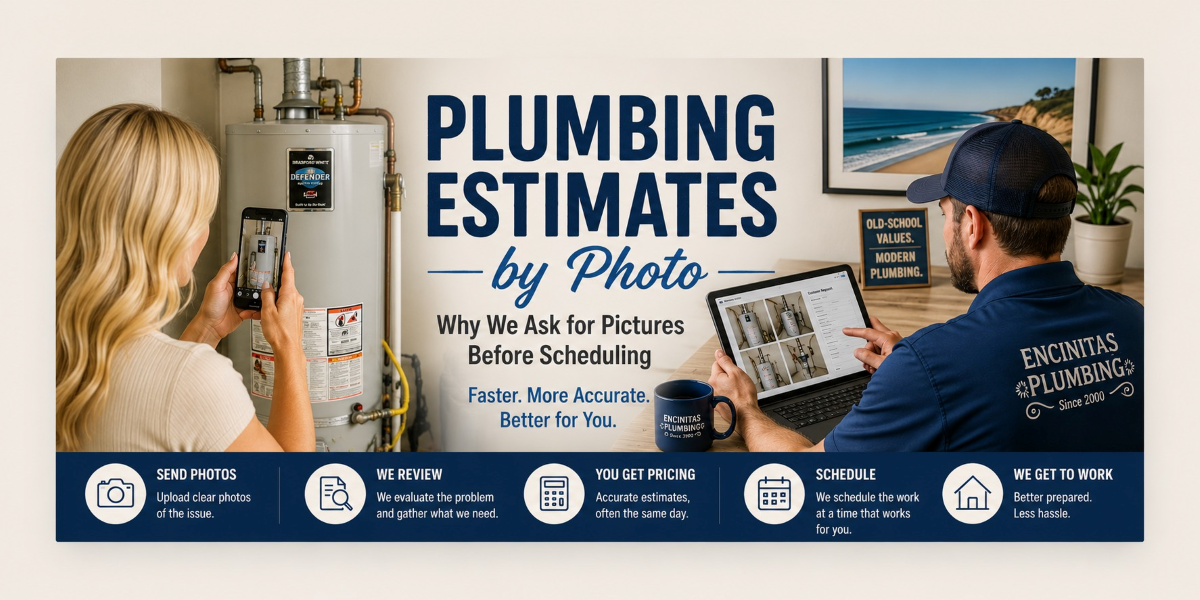
If you recently received a very low-priced water heater installation quote — or already had a low-cost installation completed and want to verify it was done properly — Encinitas Plumbing offers free water heater evaluations based on submitted photos. We can often identify missing code requirements, improper venting, missing expansion tanks, drainage issues, and other concerns before they turn into expensive problems.













Share On: