Be Careful Which Water Treatment System You Choose — Not All Are Created Equal

Before You Buy a Water Softener, Read This First
If you’ve been researching water softeners, salt-free conditioners, reverse osmosis systems, or whole-house filtration systems, you’ve probably discovered something frustrating:
- Everyone claims their system is the best.
- One company says you need a water softener.
- Another says salt-free conditioning is the answer.
- Someone else insists reverse osmosis is the only way to get quality water.
- And nearly every salesperson has a convincing explanation for why their product is exactly what your home needs.
The problem is that water treatment systems are designed to solve different problems.
Unfortunately, many homeowners spend thousands of dollars on equipment before fully understanding what problem they’re actually trying to solve.
The result?
- A homeowner concerned about drinking water quality purchases a water softener.
- A homeowner concerned about hard water scale purchases an under-sink reverse osmosis system.
- A homeowner trying to protect their plumbing system purchases equipment that doesn’t address scale buildup at all.
The issue isn’t that these systems don’t work.
The issue is that they were designed to accomplish different things.
Before investing in any water treatment equipment, the most important question isn’t:
“What system should I buy?”
It’s:
“What problem am I trying to solve?”
Once you answer that question, choosing the right solution becomes much easier.
Why Homeowners Get Confused
The water treatment industry often groups very different products together under broad terms like “water filtration,” “water conditioning,” or “water purification.” While these systems may look similar from the outside, they perform completely different functions.
- A water softener is designed to address hardness minerals.
- A reverse osmosis system is designed to improve drinking water quality.
- A whole-house filtration system removes sediment and contaminants.
- A salt-free conditioner helps reduce scale formation without adding salt.
The right choice depends entirely on your goals.
If Hard Water Is Your Main Concern
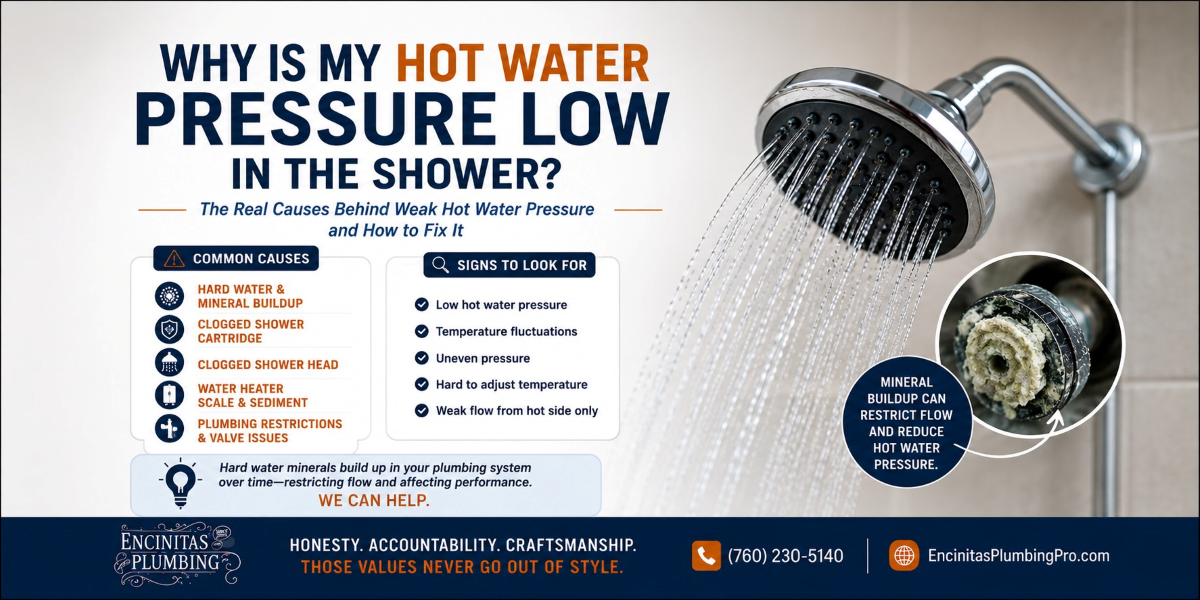
Hard water contains elevated levels of calcium and magnesium. Over time, these minerals can accumulate inside plumbing pipes, water heaters, fixtures, shower heads, and appliances.
Learn more about the signs, causes, and effects of hard water in our guide: What Does Hard Water Do To Plumbing?
Common signs of hard water include:
- White mineral deposits on faucets
- Spots on dishes and glassware
- Reduced water heater efficiency
- Shortened appliance lifespan
- Scale buildup on fixtures
Option 1: Traditional Salt-Based Water Softener
What it does well:
- Removes hardness minerals from the water
- Prevents scale formation
- Produces soft water
Potential drawbacks:
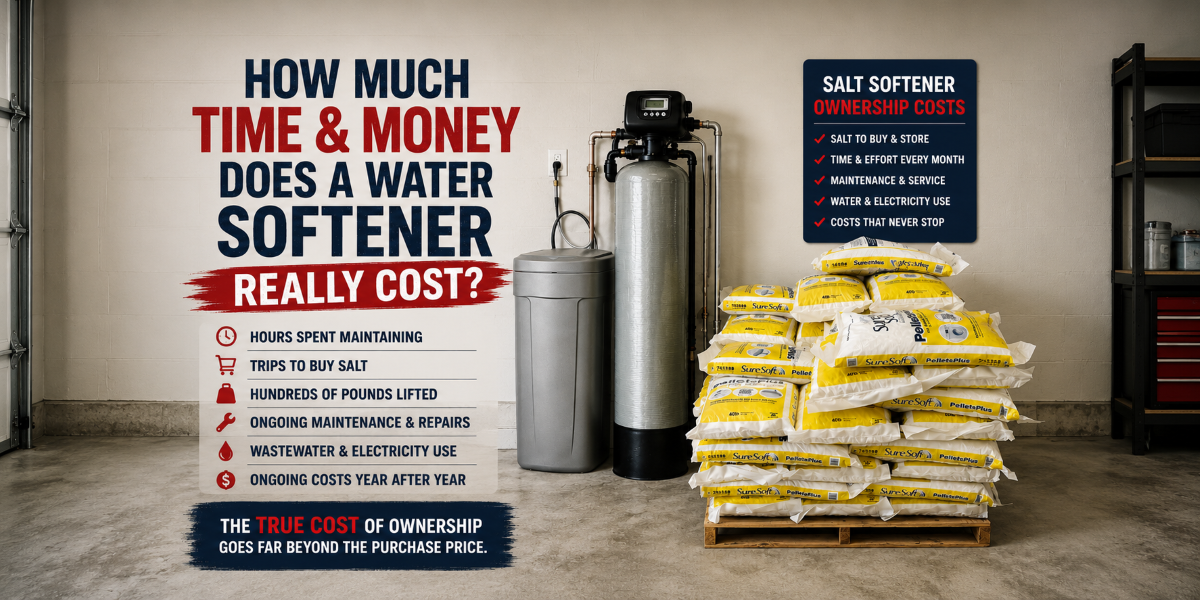
- Requires ongoing salt purchases
- Periodic maintenance
- Discharges wastewater during regeneration
- Requires drain and electrical connections
Option 2: Salt-Free Water Conditioner
What it does well:
- Helps reduce scale formation
- No salt
- No wastewater discharge
- Minimal maintenance
- No regeneration cycles
Potential drawbacks:
- Does not remove hardness minerals
- Water will still test as hard
For many homeowners in coastal North San Diego County who want scale protection without the maintenance of a traditional softener, a salt-free conditioning system can be an attractive option.
To learn more about how salt-free water conditioning technology works and whether it may be a good fit for your home, explore our guide to whole-house salt-free water conditioning systems.
If Drinking Water Quality Is Your Main Concern
Many homeowners are less concerned about scale and more concerned about what they’re drinking.
This is where reverse osmosis systems excel.
Reverse Osmosis Systems
What they do well:
- Reduce dissolved contaminants
- Improve taste and odor
- Produce highly purified drinking water
Potential drawbacks:
- Typically only serve one faucet
- Do not protect the entire home’s plumbing system
- Do not prevent hard water scale throughout the house
A common misconception is that a reverse osmosis system solves hard water problems. In reality, most under-sink RO systems only treat the water delivered to a dedicated drinking faucet.
If You Want Whole-House Protection
Some homeowners want to improve water quality throughout the entire home.
A whole-house filtration system may be appropriate when concerns involve:
- Sediment
- Chlorine
- Taste and odor issues
- General water quality improvements
These systems serve a different purpose than water softeners and reverse osmosis systems.
The Best System May Be a Combination of Technologies
In many homes, there is no single system that solves every concern.
For example:
- Salt-free conditioner for scale protection
- Reverse osmosis system for drinking water
- Whole-house filtration for chlorine reduction
Each system addresses a different issue.
Before You Buy Any Water Treatment System
Ask yourself:
- Am I trying to prevent hard water scale?
- Am I concerned about drinking water quality?
- Am I trying to protect my plumbing and appliances?
- Do I want to reduce maintenance?
- Do I want whole-house treatment or just drinking water treatment?
The answers to those questions will usually determine which technology makes the most sense.
Need Help Choosing the Right System?
At Encinitas Plumbing, we help homeowners evaluate their water quality concerns and choose solutions based on their actual goals—not a one-size-fits-all sales presentation.
Whether you’re considering a salt-free conditioner, reverse osmosis system, whole-house filtration, or a traditional water softener, understanding the differences can help you avoid spending money on equipment that doesn’t solve the problem you’re trying to fix.







Share On: