
How Much Time and Money Does a Water Softener Really Cost?
The Hidden Cost of Owning a Salt-Based Water Softener
When homeowners compare a traditional salt-based water softener to a salt-free water conditioning system, the conversation usually focuses on water quality, scale protection, or installation cost.
But there are other costs that add up year after year.
These include:
- Purchasing salt
- Transporting and storing salt
- Refilling the brine tank
- Cleaning and maintenance
- Water used during regeneration cycles
- Electricity consumption
- Service and repair visits
- The value of your time
Many homeowners are surprised when they calculate what ownership actually looks like over a 10-year period.
The Monthly Salt Routine
Most residential water softeners require ongoing salt replenishment.
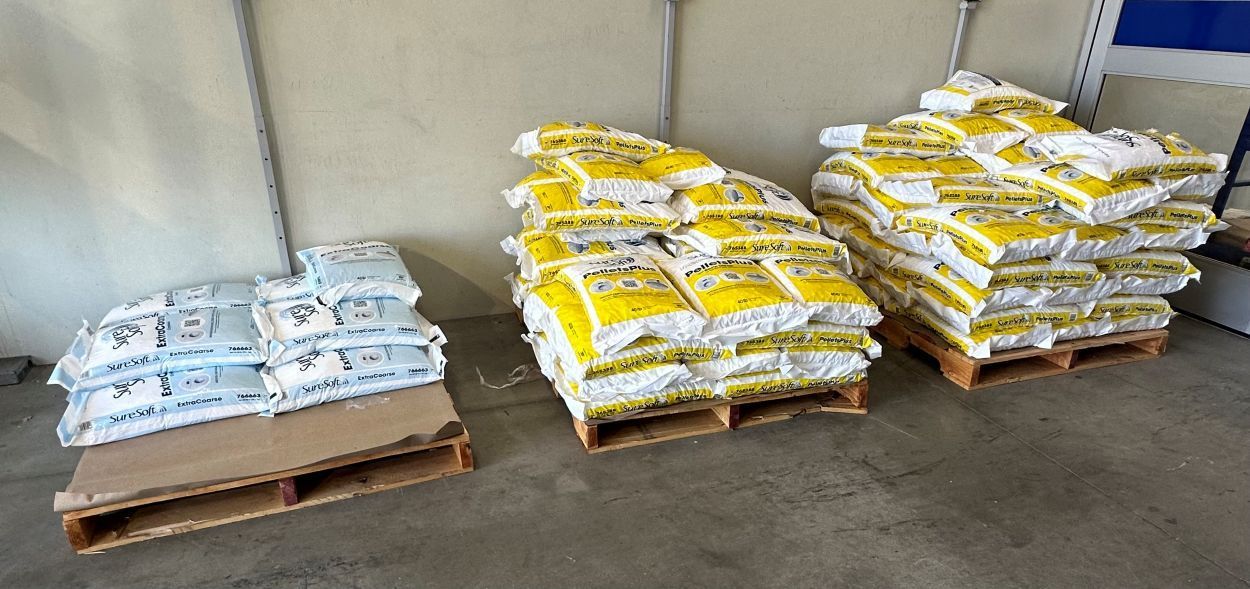
Depending on household size and water usage, a family may use approximately one 40-pound bag of salt per month. Larger households may use significantly more.
That means every year you’re:
- Purchasing salt
- Loading it into your vehicle
- Unloading and storing it
- Carrying it to the softener
- Pouring it into the brine tank
At approximately $10 to $12 per bag, annual salt costs can easily reach:
Estimated Annual Salt Cost
$120–$144 per year
Estimated 10-Year Salt Cost
$1,200–$1,440
And that’s before accounting for inflation and future price increases.
How Much Time Does Salt Maintenance Take?
Most homeowners don’t think about the time commitment associated with owning a water softener.
Let’s assume:
- 15 minutes per month checking and refilling salt
- Periodic maintenance and troubleshooting
- Trips to purchase salt throughout the year
A typical homeowner may spend:
Annual Time Commitment
Refilling salt:
- 3–4 hours
Purchasing and transporting salt:
- 3–9 hours
Cleaning and maintenance:
- 2–6 hours
Total Estimated Time
7–19 hours every year
Over a 10-year ownership period:
70–190 Hours
That’s the equivalent of several workweeks spent maintaining a single appliance.
Hundreds of Pounds of Salt
A family using one 40-pound bag of salt per month will handle approximately:
480 Pounds of Salt Every Year
Over ten years:
4,800 Pounds of Salt
Many households use substantially more.
Those bags don’t move themselves.
Every pound must be:
- Loaded at the store
- Loaded into a vehicle
- Unloaded at home
- Stored
- Carried to the water softener
For many homeowners, especially older homeowners, that physical effort becomes increasingly important over time.
The Water Cost Most Homeowners Forget
Salt-based water softeners regenerate periodically.
During regeneration, water is used to flush the system and discharge concentrated brine to the drain.
The amount varies depending on the equipment, programming, and water usage, but regeneration cycles consume water that would not otherwise be used.
Over years of ownership, this additional water usage contributes to the overall operating cost of the system.
Storage Space Matters Too
Many homeowners purchase several bags of salt at a time.
That means dedicating garage space to storing:
- Salt bags
- Water softener cleaner
- Maintenance supplies
It’s one of those inconveniences that rarely gets mentioned during the sales process but becomes part of life after installation.
Don’t Forget Service and Repair Costs
Like any mechanical appliance, water softeners contain components that wear out over time.
Depending on manufacturer, water quality, installation conditions, and maintenance history, homeowners may eventually encounter:
- Injector cleaning
- Brine tank cleaning
- Float assembly repairs
- Valve rebuilds
- Control head repairs
- O-ring and seal replacement
- Resin bed issues
- Programming and troubleshooting service calls
While many water softeners operate reliably for years, it is not uncommon for homeowners to incur service and repair expenses during the life of the system.
A typical service visit may include:
- Trip charge
- Diagnostic fee
- Labor
- Replacement parts
Over a 10- to 15-year ownership period, those expenses can add up.
Salt-Based Water Softener vs. Pura-Flo DescalePLUS
| Ownership Factor | Traditional Salt Softener | Pura-Flo DescalePLUS |
|---|---|---|
| Salt Purchases | Ongoing | None |
| Salt Storage | Required | None |
| Monthly Maintenance | Required | None |
| Regenerative Cycles | Yes | None |
| Wastewater Discharge | Yes | None |
| Electrical Requirement | Yes | None |
| Brine Tank Cleaning | Periodic | None |
| Salt Bridges | Possible | None |
| Moving Parts | Multiple | None |
| Annual Operating Supplies | Salt | None |
| Time Commitment | Ongoing | None |
| Routine Service Requirements | Periodic | None |
| Garage Storage Space | Required | None |
What About Salt-Free Water Conditioning?
One of the reasons many homeowners choose the Pura-Flo DescalePLUS system is its simplicity.
Unlike a traditional water softener, there are:
- No bags of salt to purchase
- No brine tank
- No regeneration cycles
- No wastewater discharge
- No electricity requirements
- No moving parts
- No routine homeowner maintenance
Under normal operating conditions, the Pura-Flo DescalePLUS does not require salt replenishment, filter replacement, chemical additions, or routine service.
We have systems that have been installed for years without requiring ongoing attention from the homeowner.
If optional filtration equipment is added to the system, those filters may require periodic replacement. However, the Pura-Flo DescalePLUS conditioning unit itself operates without routine maintenance.
The Real Question
When evaluating a water treatment system, don’t focus solely on the purchase price.
Ask yourself:
- How much maintenance am I willing to perform?
- How much storage space do I want to dedicate to salt?
- How much is my time worth?
- Do I want to purchase salt for the next 10 years?
- Do I want another appliance that requires ongoing attention?
For many homeowners, convenience becomes a major factor in the decision-making process.
The Bottom Line
Traditional water softeners can be effective for specific water conditions and applications.
However, they come with ongoing costs that extend far beyond the initial installation.
Over a decade of ownership, homeowners may spend:
- More than $1,200 on salt alone
- 70–190 hours purchasing, moving, and maintaining salt
- Thousands of pounds of material handling
- Additional water used during regeneration cycles
- Additional electricity consumption
- Service and repair expenses
Before choosing a water treatment system, make sure you’re considering not only the purchase price, but also the true cost of ownership.
Because sometimes the most valuable thing a water treatment system can save isn’t money.
It’s your time.

















Share On: