Why Water Pressure, Pressure Regulators & Expansion Tanks Matter
Understanding Water Pressure, Thermal Expansion & How to Protect Your Home’s Plumbing System
Most homeowners never think about water pressure until something starts leaking. A dripping faucet, running toilet, leaking water heater, burst supply line, or failed plumbing fixture often seems random — but in many cases, excessive water pressure is the real cause.
At Encinitas Plumbing, we explain water pressure, pressure regulators, and thermal expansion issues to homeowners every day. These systems are part of what we call The Deadly Three™ of Plumbing Maintenance: water pressure regulation, water quality, and water heater maintenance. We put together this guide to help explain how residential water pressure systems actually work and why proper pressure control is so important for protecting your plumbing system.
What Is Normal Residential Water Pressure?
Most residential plumbing fixtures are designed to operate safely at approximately 50–70 PSI (pounds per square inch).
Generally speaking, 75 PSI is considered the upper safe operating limit for most residential plumbing systems and fixtures.
When water pressure exceeds safe operating levels, it can begin damaging:
- Faucet cartridges
- Toilet fill valves
- Supply lines
- Washing machine hoses
- Water heaters
- Ice maker lines
- Pot fillers
- Plumbing connections throughout the home
Many homeowners are surprised to learn that excessive water pressure can quietly damage a plumbing system for years before a visible leak develops.
What Does a Pressure Regulator Do?
A water pressure regulator (also called a PRV or pressure reducing valve) controls the water pressure coming into your home from the city water main.
In many areas of North County San Diego, incoming city pressure may exceed:
- 90 PSI
- 100 PSI
- 120+ PSI
Without a pressure regulator, your home’s plumbing system would be exposed to that full pressure continuously.
A properly functioning pressure regulator reduces incoming pressure to a safer range for your plumbing fixtures and appliances.
Signs of a Failing Pressure Regulator
A failing pressure regulator may cause:
- Fluctuating water pressure
- Excessively high water pressure
- Banging pipes
- Dripping faucets
- Running toilets
- Leaking angle stops
- Repeated fixture failures
- Water heater leaks
- Burst supply lines
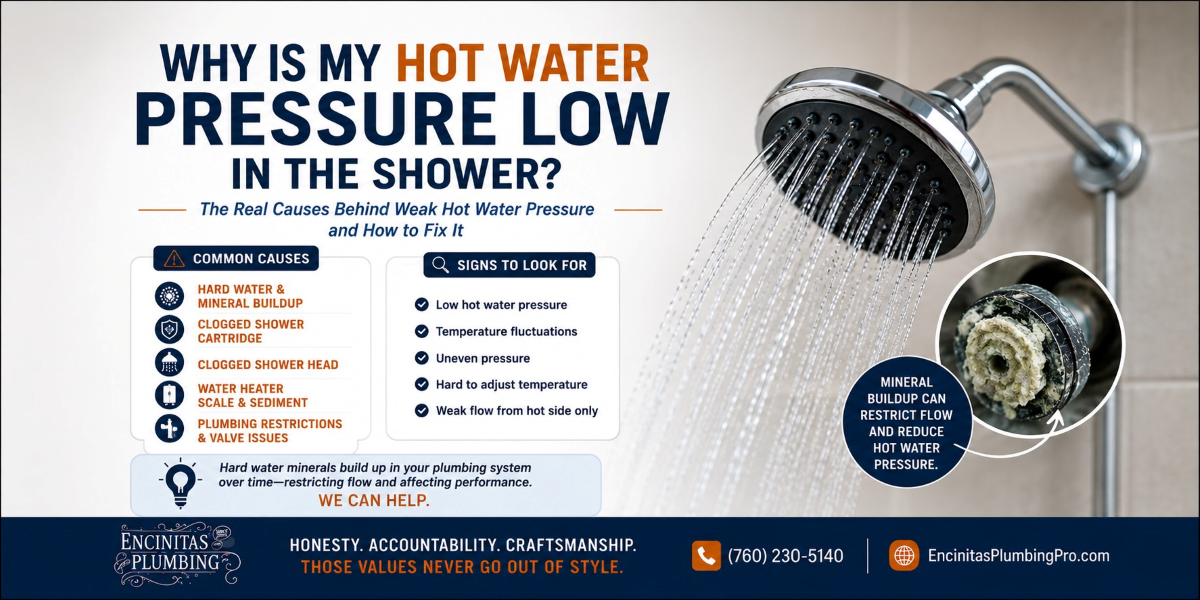
If you are experiencing these issues, our water pressure regulator replacement services may help identify and correct the problem. Many homeowners first notice pressure-related problems through dripping faucets or shower performance issues before realizing excessive water pressure is the underlying cause.
What Is Thermal Expansion?
Water expands when it is heated.
In an older open plumbing system, that expansion could sometimes dissipate back toward the city water main. However, modern plumbing systems with pressure regulators, check valves, or backflow devices create what is called a closed plumbing system.
In a closed system, heated water has nowhere to go.
This creates temporary pressure spikes inside the home whenever the water heater operates.
Think of the pressure regulator as controlling pressure coming into the home, while the expansion tank protects the plumbing system from pressure created inside the home.
This is one of the most misunderstood plumbing concepts homeowners encounter.
Why Expansion Tanks Matter
A thermal expansion tank absorbs pressure increases caused by heated water inside the plumbing system.
Without a properly functioning expansion tank, pressure inside the home can temporarily exceed 150–250 PSI during water heater heating cycles.
Those pressure spikes place stress on:
- Faucet cartridges
- Toilet fill valves
- Water heater tanks
- Appliance hoses
- Ice maker lines
- Pot fillers
- Plumbing fittings and valves throughout the home
This is one reason homeowners may experience:
- Faucets dripping intermittently
- Toilets constantly running
- Repeated plumbing leaks
- Premature fixture failures
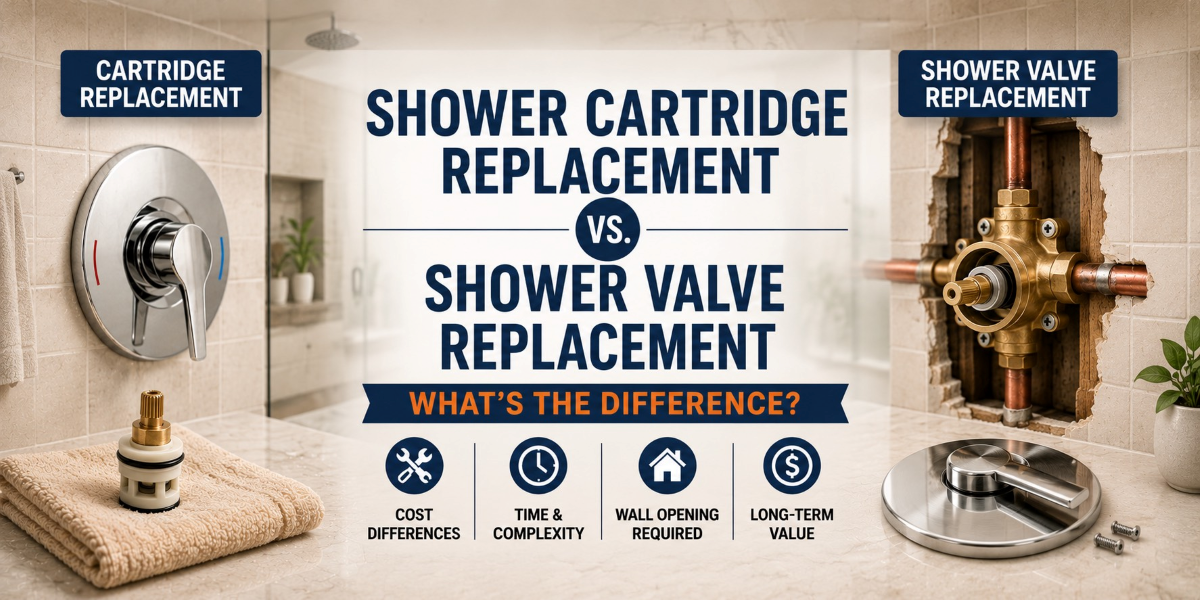
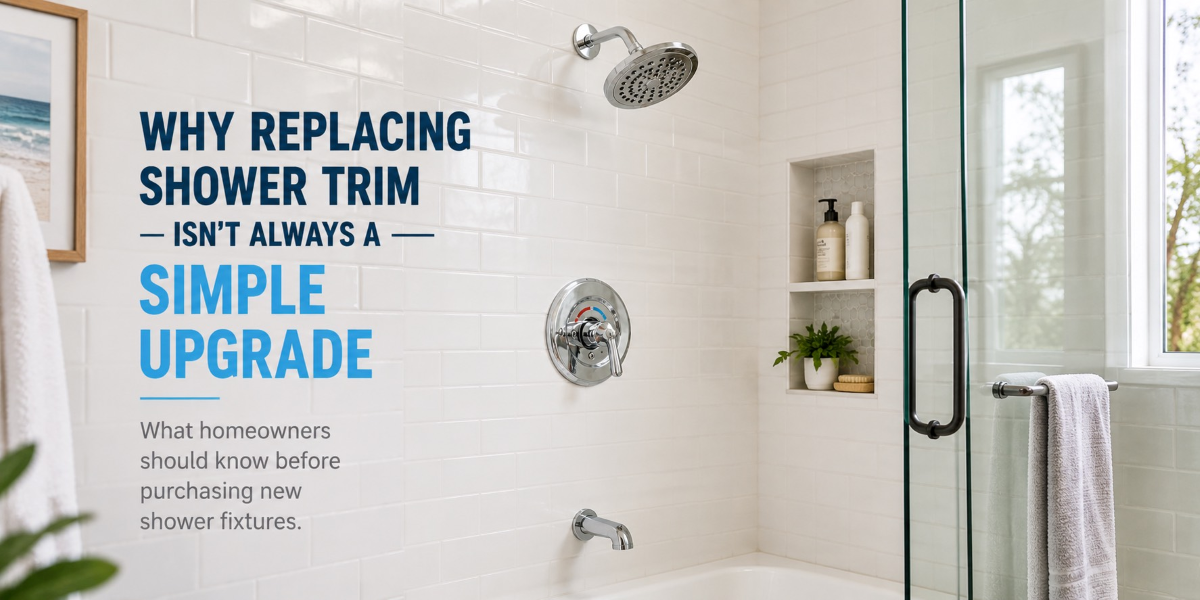
- Shower valve cartridge failures
- Reduced fixture lifespan throughout the home
If you are experiencing repeated toilet issues, visit our toilet repair services page for additional information.
Larger Water Heaters Create More Thermal Expansion
The amount of thermal expansion created depends partly on water heater size.
Generally:
- 40-gallon water heaters create less thermal expansion
- 50-gallon water heaters create more
- 75-gallon and larger water heaters can create significant thermal expansion pressure
Tankless water heaters typically create less thermal expansion than large tank-style water heaters because they heat smaller volumes of water at one time. However, tankless systems may still require expansion protection depending on system design and local plumbing code requirements.
Learn more about our water heater repair and installation services and tankless water heater services. Proper water heater maintenance is one of the three key components discussed in our Deadly Three™ Plumbing Maintenance Guide.
How to Tell if You Have a Pressure Regulator
A pressure regulator is usually located:
- Near where the main water line enters the house
- In the garage
- Near the main shutoff valve
- Sometimes on an exterior wall
Most residential pressure regulators are brass and bell-shaped in appearance.
If your home was built or remodeled in the last several decades, there is a good chance you already have one installed.
How to Tell if You Have an Expansion Tank
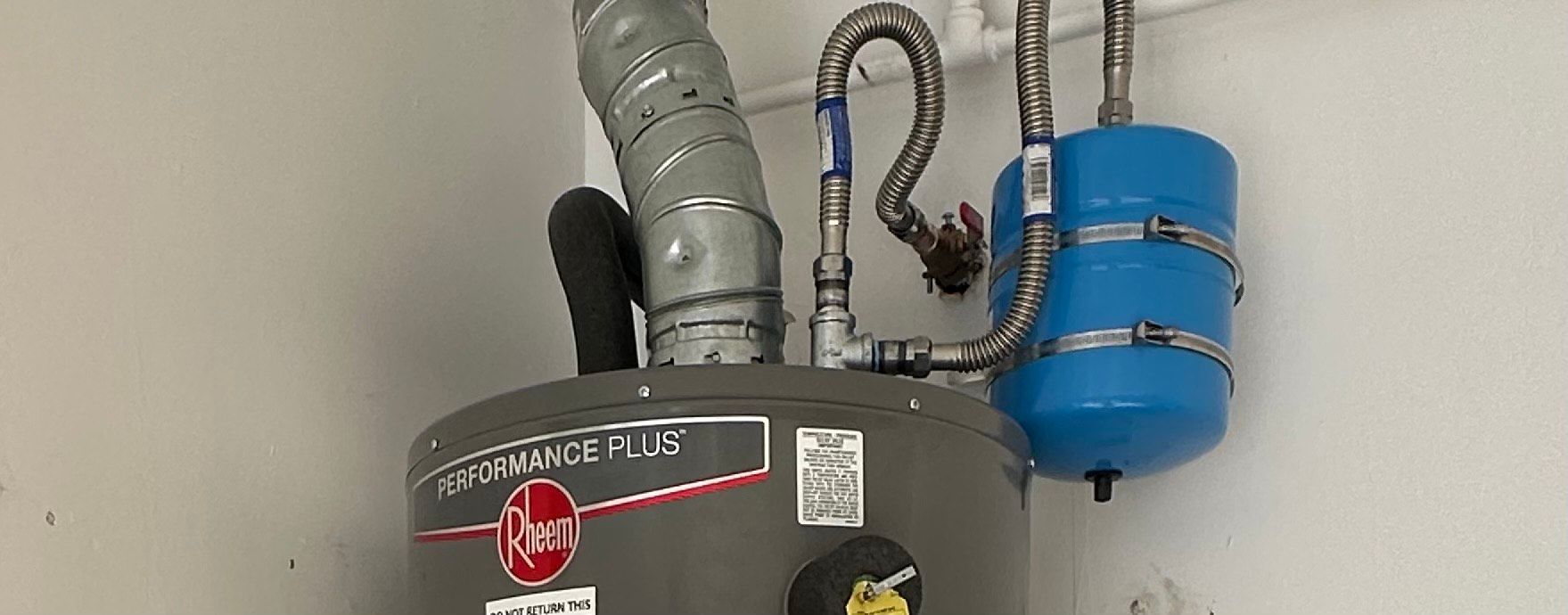
An expansion tank is typically:
- Mounted near the water heater
- Installed above the heater or nearby on the cold water line
- Small and cylindrical in shape
- Often blue, gray, or white
If your home has a pressure regulator but no expansion tank, your plumbing system may be vulnerable to excessive thermal expansion pressure.
High Water Pressure Can Affect Water Quality Equipment Too
Excessive pressure can also shorten the life of:
- Water filtration systems
- Reverse osmosis systems
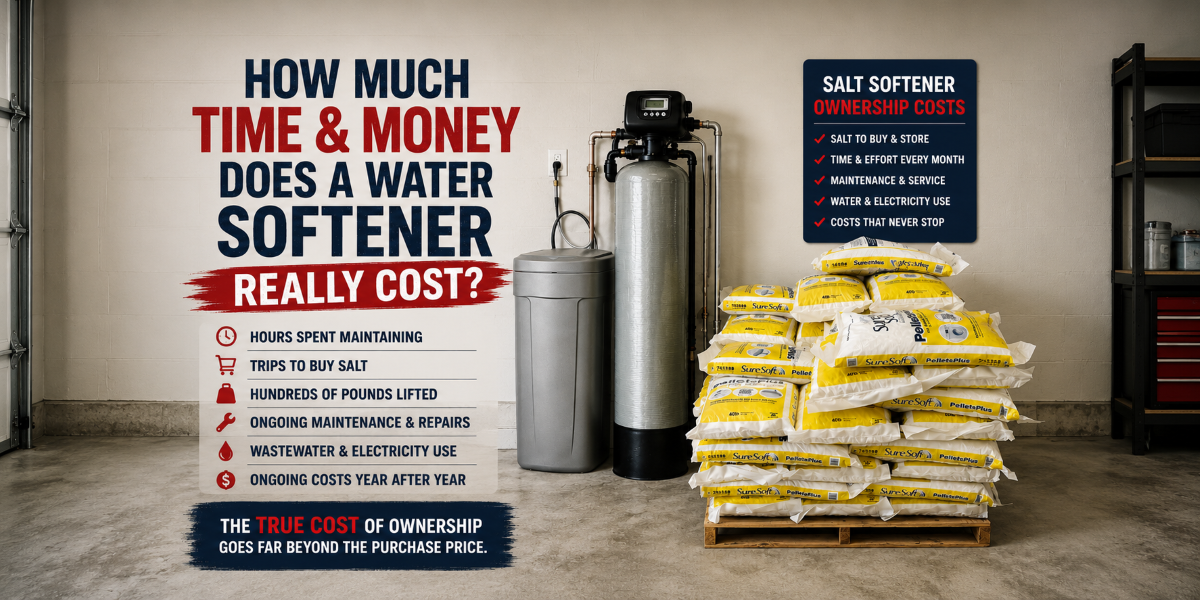
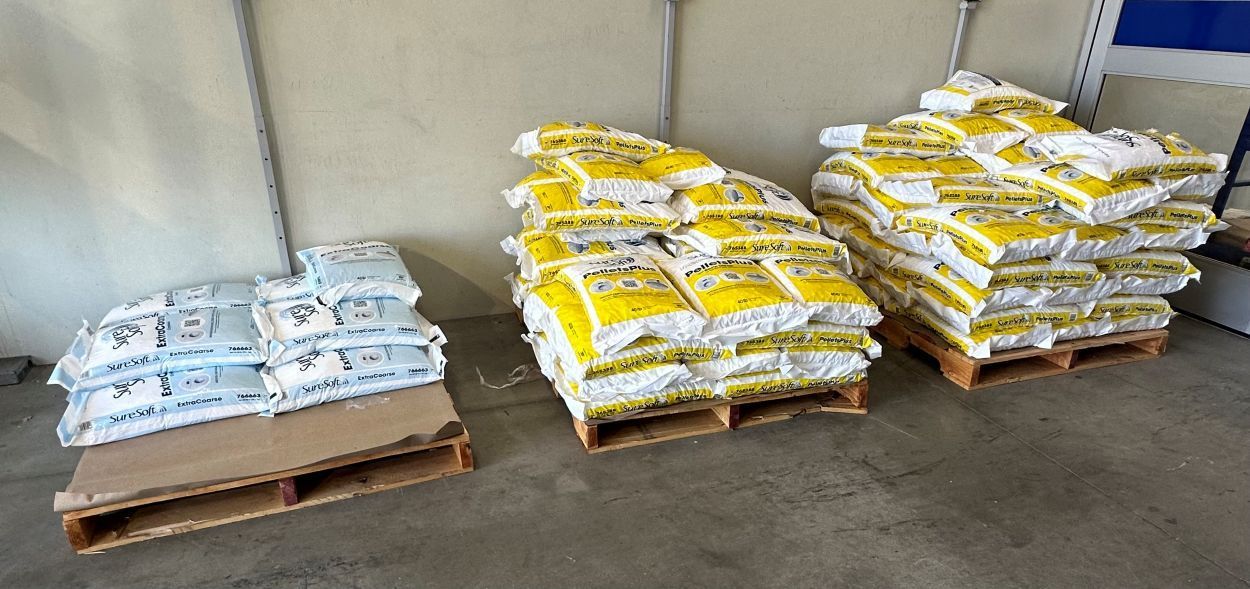
- Water softeners
- Salt-free conditioners
- Appliance valves and seals
Proper pressure control helps protect the performance and lifespan of your plumbing and water treatment equipment.
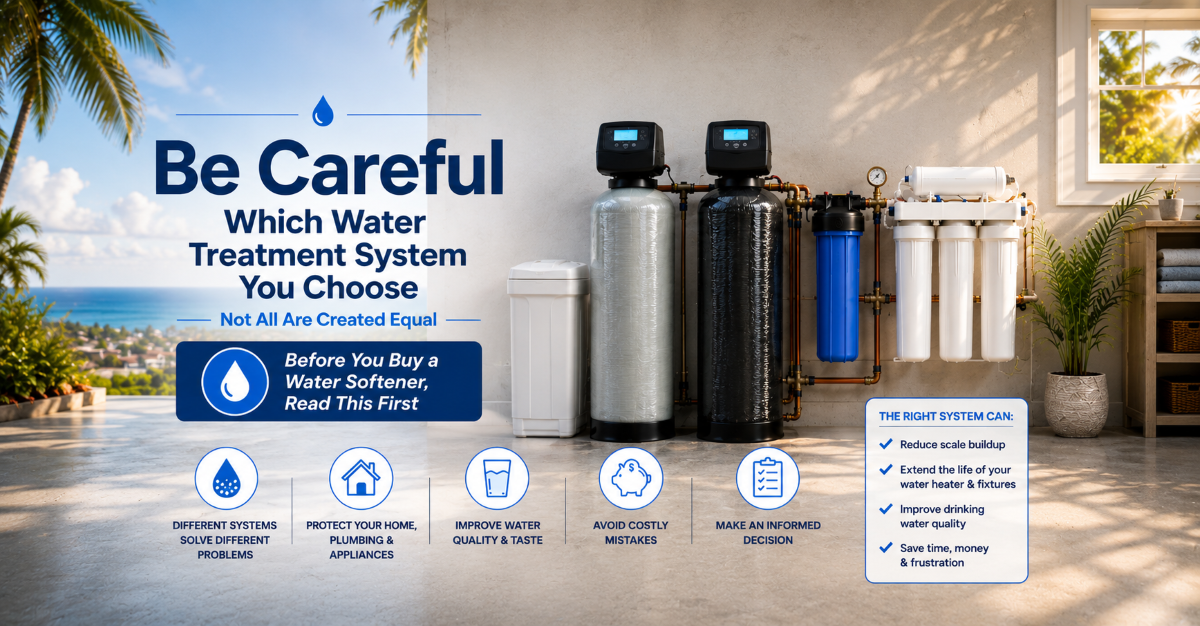
Learn more about our water treatment and water quality solutions, including whole-house filtration systems, reverse osmosis systems and salt-free water conditioning.
Many Plumbing Leaks Are Pressure Related
Many plumbing leaks are not random failures — they are symptoms of ongoing pressure problems inside the plumbing system.
Correcting excessive water pressure and thermal expansion issues can help:
- Reduce fixture failures
- Extend plumbing system life
- Protect water heaters and appliances
- Prevent future leaks
- Improve long-term plumbing reliability
Water pressure regulation, water quality, and water heater maintenance all work together to protect your home's plumbing system. Ignoring any 1 of these areas can shorten the life of fixtures, appliances, water heaters, and plumbing components throughout the home.
Need Help Checking Your Water Pressure?
Encinitas Plumbing provides:
- Water pressure testing
- Pressure regulator replacement
- Expansion tank installation
- Water heater inspections
- Plumbing diagnostics and leak detection
If you are experiencing high water pressure, dripping fixtures, running toilets, or recurring plumbing leaks, our team can evaluate your plumbing system and help identify the cause.













Share On: