Why Plumbing Permits Matter: Protecting Your Home, Safety, and Community

Understanding plumbing permits, inspection, and California code requirements in Encinitas.
When homeowners hear the word “permit,” many immediately think of extra paperwork, delays, or added cost. But plumbing permits serve an important purpose — protecting homeowners, ensuring safe installations, and helping maintain building standards throughout the community.
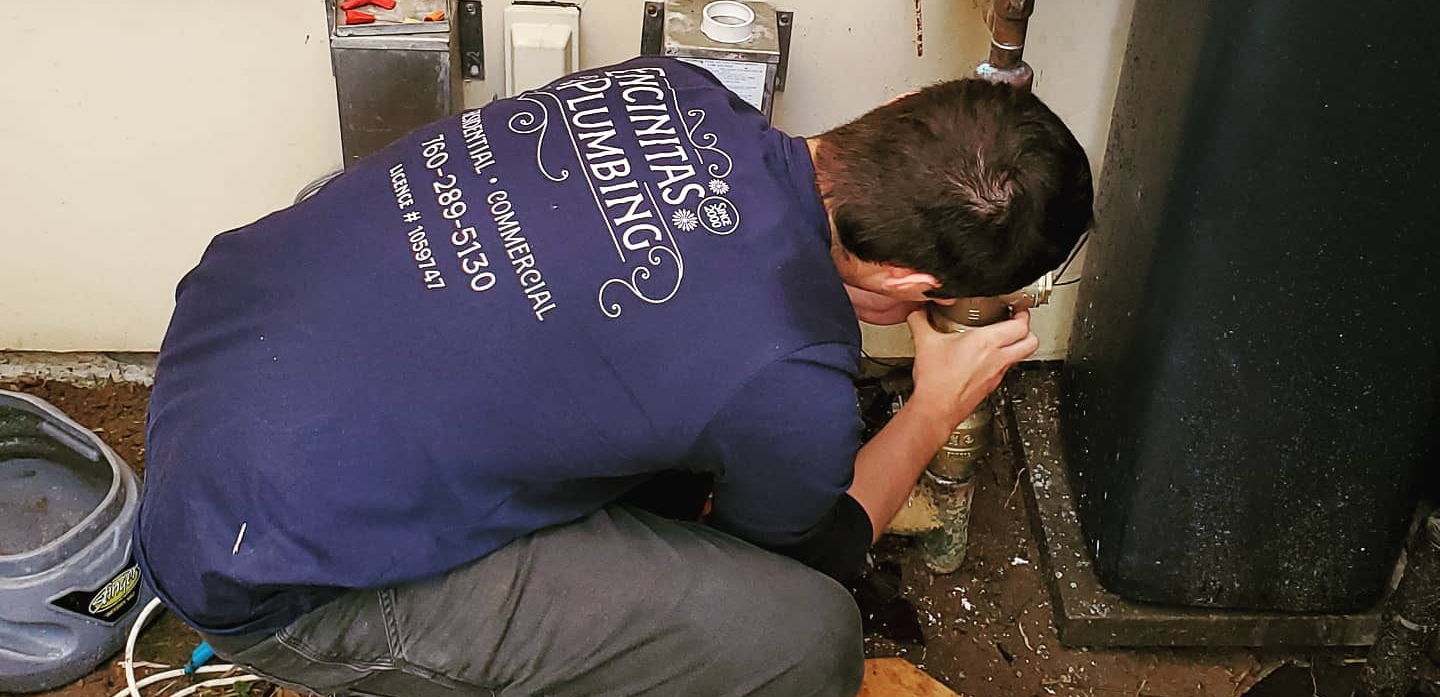
At Encinitas Plumbing, we believe permits are an important part of performing plumbing work the right way.
Permits Help Protect Your Safety
Many plumbing systems involve natural gas, pressurized water systems, venting, combustion air, drainage systems, and temperature controls. When these systems are installed improperly, the consequences can be serious.
Permits and inspections help verify that installations meet current building and safety standards designed to protect homeowners and occupants from issues such as:
- Gas Leaks
- Carbon monoxide hazards
- Water damage
- Fire risks
- Excessive water pressure
- Backflow contamination
- Improper venting
- Flooding due to failed safety devices
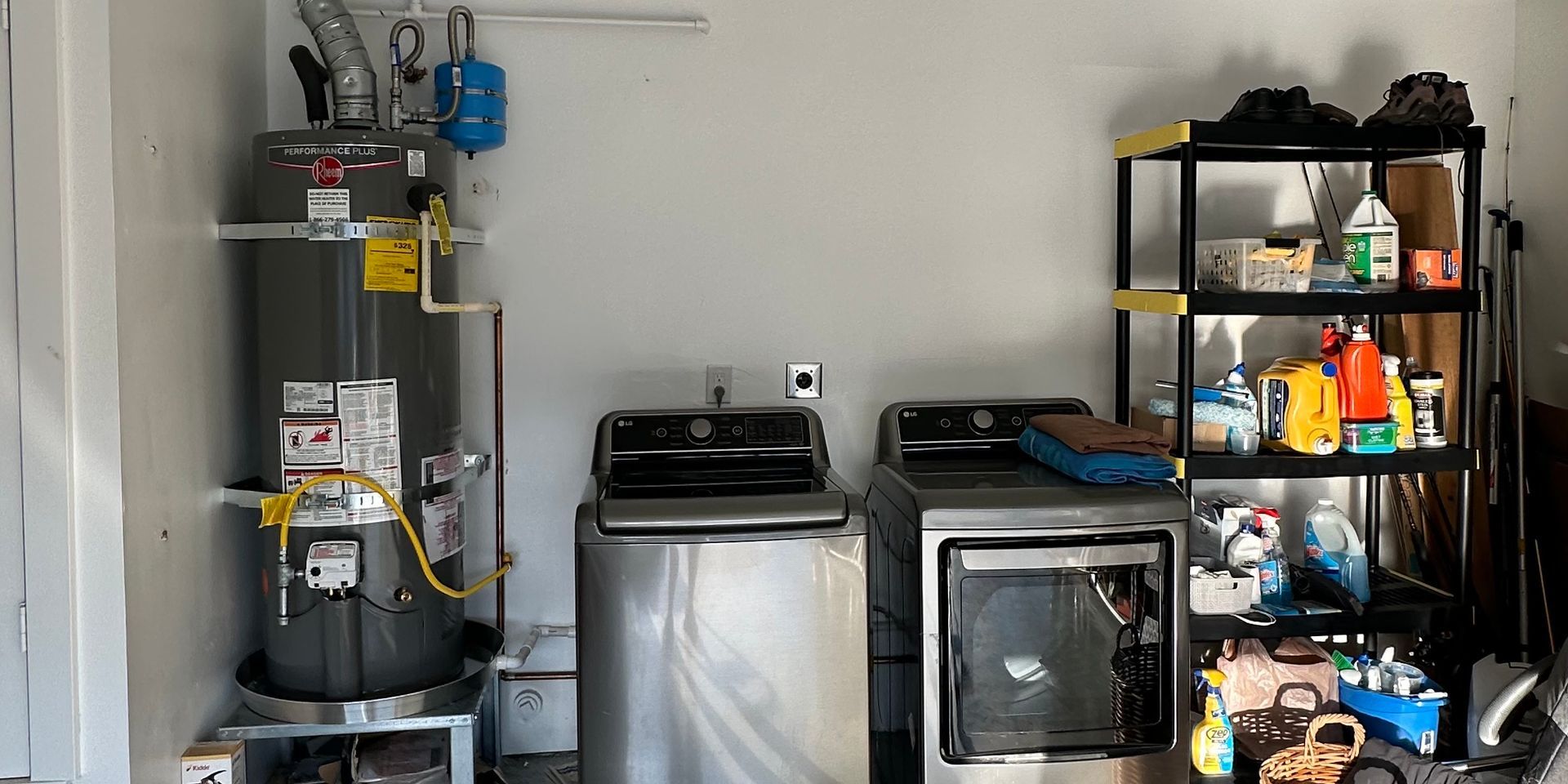
For example, a water heater installation may appear simple on the surface, but there are numerous code and safety requirements involving:
- Expansion tanks
- Seismic strapping
- T&P discharge piping
- Gas sediment traps
- Combustion air
- Venting clearances
- Electrical bonding
- Pressure regulation
Permitting helps ensure these details are not overlooked.
Permits Help Ensure Code Compliance
Building codes exist because many common installation failures have already caused real-world problems over the years. Codes evolve based on safety data, engineering standards, and lessons learned from failures in the field.
A properly permitted project typically involves:
- Installation by a licensed contractor
- Compliance with current building standards
- Inspection by the local jurisdiction
This process helps protect homeowners from shortcuts, hidden defects, or unsafe workmanship that may not be immediately visible after the work is completed.
Code-compliant installations can also:
- Improve long-term reliability
- Reduce future repair costs
- Help preserve manufacturer warranties
- Protect property value
- Reduce complications during home sales or insurance claims
Permits Help Protect Future Homeowners
Many plumbing systems remain hidden behind walls, in ceilings, attics, or underground for years after installation.
Permitting creates a record that the work was performed and inspected according to applicable standards at the time of installation. This can provide important documentation for:
- Future buyers
- Home inspectors
- Insurance companies
- Contractors performing future repairs or remodels
- Permits Support Your Local Community
Permit fees also help fund important city and county services that benefit the entire community.
These funds often support:
- Building and safety departments
- Inspection services
- Infrastructure planning
- Public utilities
- Fire prevention programs
- Community development and enforcement
While permits may not always be the most exciting part of a project, they play an important role in maintaining safe, functional, and properly regulated communities.
Not Every Plumbing Job Requires a Permit
It’s also important to understand that not every plumbing repair requires permitting. Many routine repairs and maintenance services can legally be performed without permits depending on the scope of work and local jurisdiction requirements.
At Encinitas Plumbing, we help homeowners understand:
- When permits are required
- What work may qualify as exempt
- What the inspection process typically involves
- And how to properly complete permitted work to current standards
Doing the Job the Right Way
At Encinitas Plumbing, we believe in honest recommendations, clear communication, and performing work with safety and long-term reliability in mind.
If you have questions about whether your plumbing project requires a permit, we’re always happy to discuss the scope of work and help guide you through the process.










Share On: